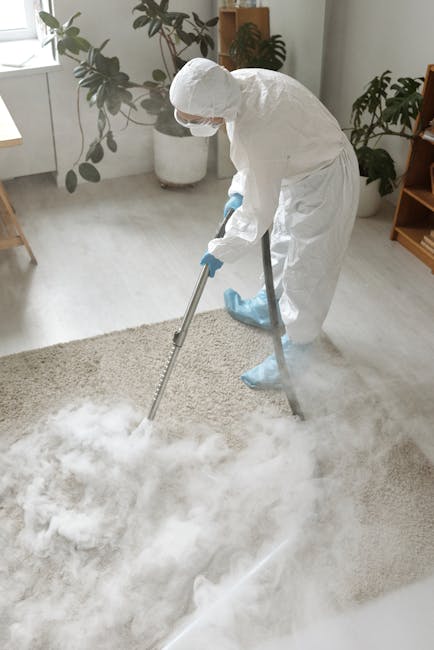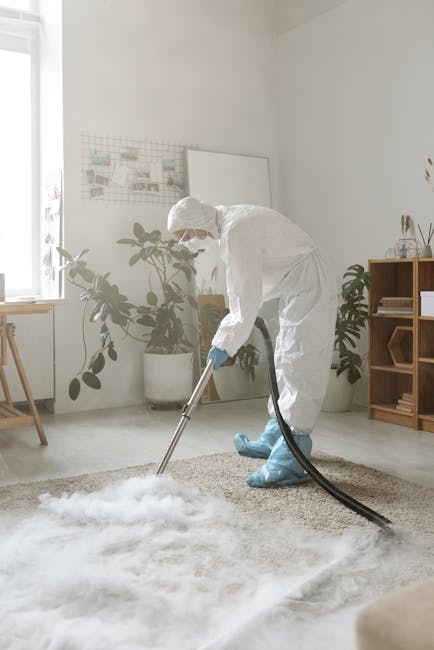
Avoid Hidden Cleaning Charges Finchley Carpet Cleaning Tips
If you have ever booked a carpet clean and then watched the price creep up at the last minute, you will know how frustrating it feels. The good news is that most surprise costs can be avoided with a little prep and a few smart questions. This guide to Avoid hidden cleaning charges Finchley carpet cleaning tips is designed to help you compare quotes properly, understand what is usually included, and spot the awkward little extras before anyone turns up with a machine and a vague smile.
In Finchley, as in much of London, the difference between a fair quote and a messy one often comes down to clarity. Ask the right things, confirm the right details, and you will be in a much stronger position. Let's face it, nobody wants a "cheap" clean that ends up costing more than the room itself.
- Why this matters
- How hidden charges happen
- Benefits of getting it right
- Who needs these tips
- Step-by-step guidance
- Expert tips
- Common mistakes
- Tools and resources
- Law and best practice
- Options and comparison
- Real-world example
- Practical checklist
- Conclusion
- Frequently asked questions
Why Avoid hidden cleaning charges Finchley carpet cleaning tips Matters
Hidden charges are not just annoying. They can change how you judge the whole service. A quote that looks good on paper may not be good value if the final invoice includes add-ons for stairs, heavy soiling, moving furniture, stain treatment, parking, or "minimum call-out" adjustments that were never explained clearly.
For households in Finchley, this matters even more because homes vary so much. A small flat near the station, a family house with a hallway runner, a rental property with pet smells, or a busy office space all come with different cleaning needs. If a company does not explain what affects the price, you are basically guessing. And guessing is expensive.
There is another angle too: transparency tells you something about the business. A cleaner who gives a clear, itemised explanation is usually easier to deal with if something changes on the day. That does not guarantee perfection, of course, but it is a strong sign that they understand customer trust.
Expert takeaway: the cheapest quote is rarely the safest quote. Look for clarity first, price second, and "too good to be true" last.
For readers who want to understand the company side as well, pages like pricing and quotes, terms and conditions, and payment and security can be useful reference points when comparing what a provider says versus what they actually charge.
How Avoid hidden cleaning charges Finchley carpet cleaning tips Works
The basic idea is simple: identify every factor that could change the price before the appointment is booked. Then confirm whether that factor is already included, charged separately, or only applied in certain situations.
In practice, hidden charges usually appear in one of five ways:
- Scope creep: the cleaner assumed a one-room job, but you expected a larger area or extra items.
- Condition-based extras: a stain, pet accident, or deep soiling is treated as additional work.
- Access issues: difficult parking, long carry distances, or many flights of stairs can affect the quote.
- Material differences: wool, delicate fibres, rugs, or upholstery may require a different method.
- On-the-day surprises: the cleaner arrives and says the job is more involved than expected.
The way to avoid this is not complicated, but it does require a bit of discipline. You need to describe the job properly, ask for the basis of the quote, and check whether the company gives a fixed price or an estimate. That difference matters. An estimate is a forecast. A fixed quote is firmer.
If the service includes more than carpets, for example a sofa, curtains, or mattress, ask whether those are priced separately or bundled. Related pages such as sofa cleaning, curtain cleaning, and mattress cleaning show how different items can require different methods and pricing logic.
Key Benefits and Practical Advantages
A clear quote does more than protect your wallet. It makes the whole appointment smoother. You know what to expect, the cleaner knows what to expect, and there is less awkward back-and-forth when they arrive. Simple, but effective.
- Better budgeting: you can plan around a real final cost, not a hopeful one.
- Fewer disputes: written agreement reduces confusion later.
- More accurate comparisons: you can compare like with like, not apples with pears.
- Faster bookings: fewer clarifications on the day means less delay.
- More confidence: you feel in control instead of being talked into extras.
There is also a quality benefit that people often miss. When a company explains pricing clearly, they usually explain the cleaning process clearly too. That means you are more likely to understand what stain removal is realistic, what steam cleaning can do, and where the limits are. It is a small thing, but it saves a lot of disappointment.
For difficult marks, pairing carpet cleaning with proper stain removal or, where relevant, pet stain odour removal can be sensible. The key is making sure those services are discussed up front, not tacked on later like an afterthought.
Who This Is For and When It Makes Sense
This advice is useful for almost anyone booking a carpet clean, but it is especially helpful if you are:
- a homeowner comparing a few local cleaners
- a tenant trying to avoid deductions or disputes
- a landlord preparing a property for new occupants
- a business manager arranging regular cleaning for offices or retail space
- someone with pets, heavy foot traffic, or older carpets that need more care
It also makes sense if you are booking more than one type of service. For example, a home might need carpet cleaning downstairs, rug cleaning in a lounge, and upholstery cleaning on a well-used armchair. If each item is priced differently, the final bill can shift quickly unless you ask the right questions.
Commercial customers should be even more careful. Workplaces can involve larger areas, access windows, and out-of-hours requirements. If that sounds familiar, check the detail on commercial carpet cleaning before you compare quotes, because the pricing logic is often different from domestic jobs.
Not every job needs a full deep clean either. Sometimes a smaller room, a single rug, or a specific stain treatment is enough. Other times, steam cleaning is the right call. What matters is matching the service to the job rather than buying more than you need.
Step-by-Step Guidance
Here is the practical part. If you follow these steps, you will massively reduce the chance of surprise charges. Not zero chance, because life is life, but close enough to matter.
1. Describe the job clearly
Be specific about room size, carpet type, number of rooms, stairs, rugs, furniture, stains, pets, and access. "Two bedrooms and a hallway" is better than "a few carpets." If the cleaner has to guess, they may quote loosely and then adjust later.
2. Ask what is included
Do not assume pre-treatment, deodorising, stain treatment, or furniture moving are included. Ask directly. A well-run company will answer clearly without making you feel awkward for asking. In our experience, that one question alone prevents a lot of headaches.
3. Confirm whether the price is fixed or estimated
This is one of the biggest differences in pricing. A fixed quote should stay stable if the job matches what you described. An estimate may change if the actual condition is different. Both can be fair, but you should know which one you are getting.
4. Check for extras
Look out for common add-ons such as:
- heavy staining
- pet treatment
- odour removal
- stairs or landings
- protective treatment
- moving heavy furniture
- out-of-hours bookings
5. Ask about access and parking
In Finchley, parking and access can affect the job more than people expect. If the cleaner needs to carry equipment a long way, or if parking is tricky at your street, ask whether that changes the cost. Better to sort it now than during a slightly tense doorstep conversation.
6. Get the main points in writing
Email, booking confirmation, or written quote all help. Keep the wording simple and specific. If something is included, make sure it is written down. You do not need a legal essay. Just enough detail to protect both sides.
7. Review the small print
Check the terms and conditions before booking. Yes, it is boring. Yes, it helps. The useful bit is usually in the part nobody wants to read, which is exactly why it matters.
Expert Tips for Better Results
If you want to avoid hidden costs and get a better clean at the same time, a little preparation goes a long way.
- Vacuum first if the cleaner recommends it: this can reduce time spent on loose debris and make the treatment more effective.
- Point out trouble spots before work starts: do not wait until the cleaner has already begun in the corner.
- Move small items yourself: shoes, baskets, kids' toys, and lamps can add time if left everywhere.
- Be honest about stains: a fresh tea mark and a six-month-old spill are not the same thing.
- Ask what method will be used: hot water extraction, steam cleaning, or another process may suit different fibres.
One thing I would add: do not try to "help" by over-wetting a stain before the appointment. It seems sensible at the time, but sometimes it spreads the mark or makes fibre recovery harder. A bit of restraint saves trouble.
If you have delicate materials, matching the right service matters. A wool rug, for instance, is not the same as standard fitted carpet. That is where rug cleaning and upholstery cleaning become relevant, because the care needed is more specific than a general "deep clean" label suggests.
Common Mistakes to Avoid
Most hidden charges happen because someone skipped one simple question. Usually, nothing dramatic. Just a small assumption that snowballs.
- Choosing on price alone: the cheapest advert may exclude all the awkward but real extras.
- Not asking about stains: stain treatment can be included, limited, or extra.
- Forgetting about stairs or access: one flight may be fine; four flights and no lift is another story.
- Assuming all "carpet cleaning" means the same thing: it does not.
- Ignoring written confirmation: if it is not written, memory can become very selective later on.
A quieter mistake is not checking whether the business seems properly run. You do not need a grand audit, just a few signs of professionalism. Clear contact details, sensible policies, secure payment information, and a straightforward complaints process all help. Those pages are not glamorous, but they tell you a lot.
For peace of mind, it can also help to review practical business information like insurance and safety and health and safety policy. You may never need them, but if something unexpected happens, they show whether the company takes its responsibilities seriously.
Tools, Resources and Recommendations
You do not need specialist software to avoid hidden cleaning charges. A notepad, your phone, and a couple of thoughtful questions are usually enough. Still, a few practical tools help.
- A room list: write down each room, carpeted area, rug, or upholstered item.
- Photos: a quick picture of stains, steps, or access points can prevent misunderstandings.
- Measurement rough notes: exact measurements are not always needed, but approximate room sizes help.
- A quote comparison sheet: list what each cleaner includes, not just the headline price.
- Booking confirmation email: keep it handy in case questions come up later.
For customers who like to compare service details before booking, the site's carpet cleaning page is a sensible place to start, especially if you are trying to understand the basic cleaning process before asking pricing questions. If you are weighing service quality as well as cost, the about us page can help you get a feel for the business style and approach.
There is no magic gadget here, honestly. The real "tool" is a clear brief. Everything else sits on top of that.
Law, Compliance, Standards, or Best Practice
For a domestic carpet clean, this is less about heavy regulation and more about standard business practice, transparency, and fair dealing. In the UK, customers generally expect prices to be presented clearly, services to be described accurately, and terms to be communicated before work begins. That is not just good manners. It is the baseline for trust.
Where cleaning businesses collect personal details during booking, they also need to handle data carefully and explain how it is used. That is why pages like privacy policy and cookie policy matter even on a local service website. For online payments, security and clear checkout processes are also part of a professional setup, which is why payment and security is worth checking.
From a best-practice point of view, look for these signals:
- clear written quotes
- plain-language service descriptions
- visible complaint handling process
- reasonable explanation of exclusions
- no pressure to agree to extras on the spot
If you are booking for a business, it becomes even more important to confirm who is responsible for access, timing, and any special requirements. Commercial environments can be a bit more complicated than a standard home clean, and that is normal.
In short: a reliable cleaner should make the process feel straightforward, not like a puzzle you need to solve at your kitchen table.
Options, Methods, or Comparison Table
Different pricing approaches suit different situations. Here is a simple comparison to help you see where hidden charges tend to creep in.
| Pricing approach | What it means | Best for | Risk of hidden charges |
|---|---|---|---|
| Fixed quote | Agreed price based on the job described | Clearly defined domestic jobs | Lower, if details are accurate |
| Estimated price | Starting figure that may change after inspection | Jobs with unknown condition | Medium, depending on clarity |
| Per room pricing | Each room charged separately | Simple, standard layouts | Medium, if add-ons are not explained |
| Per item pricing | Each rug, sofa, or mattress priced individually | Mixed cleaning jobs | Low to medium, if every item is listed |
Which option is best? That depends on the job. A fixed quote is often easiest for straightforward carpet cleaning. Per item pricing can work well when you are also booking a sofa, rug, or mattress. An estimate can be fair too, but only if the cleaner explains exactly what might cause the price to shift.
If your property has mixed needs, it may be worth separating the job into parts rather than bundling everything into one vague request. That gives you more control and makes comparisons easier. Not glamorous, but it works.
Case Study or Real-World Example
Here is a realistic example from a typical Finchley booking. A homeowner wants a two-bedroom flat cleaned after a busy winter, with one hallway runner, a lounge rug, and a small stain in the main bedroom. The first company gives a very low headline price but says stain treatment, rug cleaning, and furniture moving are "extra if needed."
The second company asks for a quick description of each item, explains that the hallway runner is priced separately, and confirms in writing what is included. It also notes that a heavy stain may need pre-treatment, but that this will be discussed before anything extra is done.
On paper, the first quote looks cheaper. In reality, it is the second one that is easier to trust. No drama, no surprise add-ons, no awkward "we need to revise the price" chat at the door.
That is the whole game, really. The best quote is the one that tells you the truth early.
Practical Checklist
Use this checklist before you book. It takes a few minutes and can save you a lot of hassle.
- Have I described every carpeted area clearly?
- Have I mentioned stains, pets, and heavy traffic areas?
- Do I know whether the quote is fixed or estimated?
- Have I asked what is included in the price?
- Do I understand any extra charges for stairs, access, or parking?
- Have I checked whether rugs, sofas, or upholstery are separate items?
- Have I asked about stain treatment and odour removal?
- Is the price confirmed in writing?
- Have I checked the terms and conditions?
- Do I know who to contact if something seems unclear?
If you can tick most of those off, you are already in a much better place than the average hurried booking. And honestly, it only takes one rushed "yes, that sounds fine" to create a little invoice drama later.
A calm ten-minute check now is easier than trying to untangle a price dispute after the van has gone.
Get a free quote today and see how much you can save.
Conclusion
Hidden cleaning charges are usually avoidable when the service is described properly, the quote is written clearly, and the customer asks a few direct questions. That is the heart of Avoid hidden cleaning charges Finchley carpet cleaning tips: clarity beats guesswork every time.
If you remember nothing else, remember this. Ask what is included, ask what is extra, and ask whether the price is fixed. Those three questions do most of the heavy lifting. Everything else is detail.
Whether you are booking a one-off domestic clean or arranging something more involved, a transparent cleaner should make the process feel simple. If it feels vague from the start, it usually gets vaguer, not better. Trust that instinct. It is there for a reason.
And once the job is done well, the room just feels lighter somehow - cleaner air, softer carpet, fewer worries. That is a good feeling to come home to.
Frequently Asked Questions
What are hidden cleaning charges in carpet cleaning?
They are extra costs that are not clearly explained at the time of booking. Common examples include stain treatment, stairs, parking, heavy soiling, or moving furniture.
How do I avoid surprise costs when booking carpet cleaning in Finchley?
Describe the job in detail, ask exactly what is included, confirm whether the price is fixed or estimated, and get the main points in writing before the visit.
Should I choose the cheapest carpet cleaning quote?
Not automatically. A very cheap quote can leave out important extras, so the final bill may be higher than a clearer, slightly more expensive one. Compare the full package, not just the headline price.
Are stain removal and odour treatment usually included?
Sometimes, but not always. These services are often treated as separate work, especially if stains are old, set in, or linked to pet accidents.
Do carpet cleaners charge extra for stairs?
Many do, particularly if the stairs add time, access issues, or extra labour. Always check before booking so you are not caught off guard.
What should a proper quote include?
It should explain the rooms or items covered, what cleaning method is used, any likely extras, and whether the figure is fixed or only an estimate.
Is furniture moving usually part of the price?
Not always. Light furniture may be included, while heavy or fragile items are often excluded or charged separately. Ask before the appointment.
How can I compare two carpet cleaning quotes fairly?
Make sure both quotes cover the same rooms, same level of stain treatment, same access conditions, and same extras. If one includes more, it is not a true like-for-like comparison.
Do commercial carpet cleaning jobs have different pricing rules?
Usually yes. Commercial jobs can involve larger areas, access arrangements, and out-of-hours work, so the pricing structure may be different from domestic cleaning.
Why do some cleaners offer estimates instead of fixed prices?
Estimates allow for uncertainty when the cleaner has not seen the carpet, the level of soiling, or access conditions. They can be fair, but they should be explained clearly.
What should I do if I think a hidden charge has been added unfairly?
Refer back to the written quote, booking confirmation, and terms. If the issue remains unresolved, use the company's complaints process and keep everything polite but clear.
Are rug cleaning and upholstery cleaning priced the same as carpets?
No, they often are not. Rugs and upholstery can need different methods, products, and handling, so they are usually priced separately from standard fitted carpet cleaning.