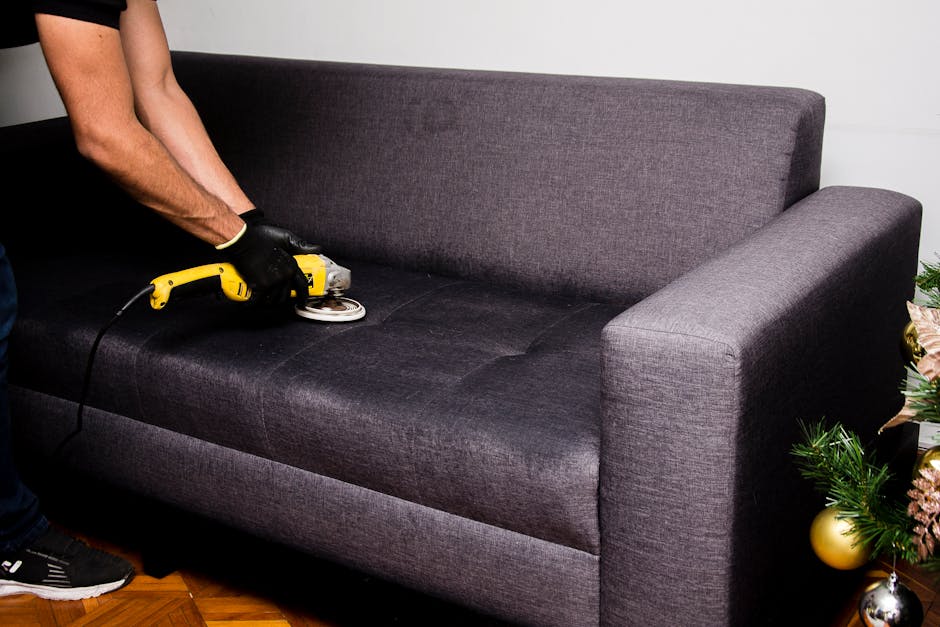
Barnet Council Upholstery Disposal Rules for Finchley Cleaners: A Practical Guide
If you clean homes, flats, offices, or rental properties in Finchley, upholstery waste can turn up fast. A tired sofa, a broken armchair, a stained dining chair, or a mattress that has seen better days all create the same question: what can be left for the council, what needs special handling, and what should a cleaner never dump at the kerb without checking first? This guide to Barnet Council upholstery disposal rules for Finchley cleaners gives you the clear, practical version. No waffle. No guesswork. Just the sort of working knowledge that helps you protect your clients, stay tidy, and avoid awkward surprises on collection day.
Truth be told, upholstery disposal is one of those jobs that sounds simple until you're standing next to a bulky item in a narrow North London street at 7:30 in the morning. Then it becomes a logistics problem, a compliance question, and sometimes a customer-service issue too. So let's walk through the rules, the usual expectations, and the best way to handle it in real life.
Why Barnet Council Upholstery Disposal Rules for Finchley Cleaners Matters
For cleaners in Finchley, disposal rules matter for three reasons: legality, professionalism, and pace. If an upholstered item is handled badly, it can lead to fly-tipping concerns, missed collections, unhappy residents, or a client who thinks the whole service felt a bit careless. And nobody wants that. Not when the room already smells faintly of old fabric, cleaning solution, and damp winter air.
Upholstery often looks harmless, but it's bulky. A sofa frame can hide staples, springs, timber, foam, fabric, and sometimes damaged areas that make it awkward to carry. That means the item may need more than a quick lift to the pavement. It may need dismantling, wrapping, labelling, loading safely, and arranging the right collection route. In a busy area like Finchley, where access can be tight and parking can be a minor battle, planning is half the job.
For cleaners, the other big issue is client trust. People usually want the place left spotless, not with half a sofa waiting by the bins. If you offer end-of-tenancy cleaning, move-out support, or post-renovation refreshes, understanding the disposal side can make your service feel much more complete. It also helps you answer the question every client eventually asks: "Can you take this away too?"
One more thing. Barnet rules and collection arrangements can change, so it's best to treat council guidance as something to check before each job rather than something to assume. That sounds obvious, but in practice it saves headaches.
How Barnet Council Upholstery Disposal Rules for Finchley Cleaners Works
The basic process is usually this: identify the item, decide whether it can be reused, repaired, or recycled, and then choose the correct disposal route. For most cleaners, that means separating "general rubbish" from "bulky upholstery waste" and making sure the item is presented in the right way for collection or drop-off.
In plain English, upholstery is not the same as a small household bag of waste. A chair or sofa often counts as a bulky item. That can affect whether it goes out with the normal waste, requires a special collection, or needs to be taken to an appropriate waste facility. The exact route depends on the item type, condition, and the current local arrangements in Barnet.
What Finchley cleaners should do in practice is check for four things:
- Item type: sofa, armchair, recliner, dining chair, footstool, mattress, headboard, or upholstered commercial furniture.
- Construction: whether the item has wood, metal, foam, or removable covers.
- Condition: reusable, repairable, heavily damaged, contaminated, or infested.
- Collection route: council bulky waste, private waste contractor, reuse channel, or recycling facility.
If the item is simply dirty, a deep clean may extend its life. If it is structurally unsound, waterlogged, mould-affected, or badly contaminated, disposal may be the more sensible choice. That judgement call matters. And yes, sometimes it's a bit of a gut check.
For upholstery work specifically, it helps to align your cleaning service with your broader service pages such as upholstery cleaning, sofa cleaning, and stain removal so clients can see the difference between restoring an item and removing it responsibly.
Key Benefits and Practical Advantages
When cleaners understand upholstery disposal properly, the benefits are more than just avoiding fines or complaints. You also save time, cut down on last-minute confusion, and give clients a better overall experience.
- Cleaner site finish: the property is left ready for the next occupant, the next viewing, or the next phase of work.
- Safer handling: bulky items are moved more carefully, with fewer strained backs and knocked walls.
- Better scheduling: you know when a clean ends and when disposal logistics start.
- Stronger client confidence: clients feel reassured when you explain what can and cannot be taken away.
- Less waste: reusable items can sometimes be redirected rather than simply binned.
There's also a quieter advantage: less friction with neighbours, landlords, and building managers. A sofa left in a communal hallway for "just a bit" can cause a lot of noise, and not the good kind. The correct disposal route keeps things calm.
If your work often involves post-tenant refreshes or business premises, it may be worth looking at your wider cleaning offer too. For example, commercial carpet cleaning and carpet cleaning often sit alongside clearance decisions in office or rental jobs where old furniture is being replaced at the same time.
Who This Is For and When It Makes Sense
This guidance is relevant to a few different groups, and the detail matters because each one has a slightly different problem to solve.
For domestic cleaners
If a household is replacing a sofa or chair after a clean, you may be asked whether the old item can be removed. Domestic cleaners don't always manage disposal directly, but they often become the first person the client asks. Knowing the right answer saves everyone time.
For upholstery and carpet cleaners
Specialist cleaners are often expected to judge whether an item is worth restoring. If it's beyond saving, you need to talk clearly about the next step. A sofa with persistent odour, mould, or structural failure may be a disposal case rather than a cleaning case. That's where services like pet stain and odour removal and steam carpet cleaning can help determine whether the item can still be kept in service.
For end-of-tenancy or inventory jobs
This is where things get a bit real. A landlord wants the flat handed back clean, an agent wants speed, and a tenant may want to avoid extra charges. Upholstery disposal has to be planned carefully, especially if the furniture is large or awkward.
For commercial clients
Offices, clinics, salons, and hospitality settings may have worn upholstered seating that needs removal during refurbishments. In these cases, the link between cleaning, waste handling, and business continuity becomes very obvious. One chair left in the wrong place can block a whole corridor. Bit of a nuisance, to be fair.
For any of these users, the sensible question is not just "Can this go?" but "What is the least disruptive and most responsible route?"
Step-by-Step Guidance
Here's a straightforward workflow that Finchley cleaners can use in the field.
- Inspect the item carefully. Check the size, weight, material, and any contamination. Look for damp patches, pest damage, mould, or loose components.
- Decide whether cleaning is realistic. If the item is only soiled, a proper clean may be the best option. If the frame is broken or the filling is degraded, disposal is usually the better call.
- Separate reusable from non-reusable items. If a client can donate, repair, or reuse it, that should be considered first.
- Check the current Barnet disposal route. Confirm whether the item needs a bulky waste collection, another collection method, or transport to a suitable facility.
- Prepare the item. Remove detachable cushions, protect floors and walls, and package sharp or dirty edges if needed.
- Move safely. Use two people where the item is heavy or awkward. Narrow stairwells are where plans go sideways.
- Document what you did. A simple note or photo record helps if a client later asks what happened to the item.
- Confirm completion with the client. Say clearly whether the item was cleaned, left for collection, or taken elsewhere. No ambiguity.
In practice, the step people skip most often is the inspection. They leap straight to "this has to go" or "we can save it," and both can be wrong. A quick, calm check first can change the whole job.
Expert Tips for Better Results
After enough jobs, you begin to see patterns. The same small mistakes crop up again and again. Here are a few tips that make the work easier and the outcome cleaner.
- Start with the smell test, but don't stop there. A sofa can smell musty and still be structurally sound. On the other hand, a nice-looking chair may be hiding a sagging frame.
- Measure doorways before you promise removal. This sounds basic. It really is basic. Yet it's where people get stuck in hallways and start muttering under their breath.
- Keep a small decision tree in your head. Cleanable, reusable, repairable, disposable. That order helps.
- Use protective covers when moving older upholstery. Dust, loose fibres, and grime can spread easily.
- Don't overpromise council acceptance. If you are unsure, say you need to check the latest guidance. That is professional, not uncertain.
Another useful habit is to talk to the client before you start. A quick, plain-English explanation of their options avoids awkwardness later. "This chair can probably be cleaned" or "This one is too damaged, so disposal is the safer route" is much better than trying to reverse-engineer a decision after the fact.
If you regularly deal with delicate fabrics or mixed upholstery types, the wider service context matters too. Pages like curtain cleaning and rug cleaning are useful because they show clients that fabric care is part of a considered, not casual, approach.
Common Mistakes to Avoid
This is the bit that saves people grief. Upholstery disposal errors are usually not dramatic; they're small, ordinary, and frustrating. The kind that creep in because everyone is busy.
- Leaving items out too early. If the collection window is not active, the item can become a nuisance or attract complaints.
- Assuming every upholstered item is treated the same. A sofa, mattress, and office chair may not follow the same route.
- Forgetting about contamination. If an item is infested, heavily mouldy, or exposed to bodily fluids, the handling requirements can be more cautious.
- Not checking access restrictions. Flats with no lift, controlled entrances, or shared bins often need extra planning.
- Skipping client confirmation. People can remember jobs differently once time has passed. A short message or note helps.
A small but important point: don't treat "someone else will sort it" as a plan. It usually isn't.
And if the item can still be rescued, a focused clean may be a better answer than disposal. That is especially true with items that have cosmetic staining but sound structure. In those cases, sofa cleaning can be a smarter first move than lifting out a bulky replacement.
Tools, Resources and Recommendations
You do not need a huge kit to handle upholstery disposal sensibly. You do need the right basics, plus a tidy way to record decisions.
- Measuring tape: for doorways, stair turns, lifts, and awkward hallways.
- Protective gloves: especially when items are dusty, damp, or damaged.
- Furniture blankets or covers: to protect walls and floors on the way out.
- Basic inspection checklist: keeps decisions consistent between team members.
- Phone camera: simple before-and-after records can be very helpful.
- Waste route notes: useful for remembering what the current agreed disposal process is for each client type.
For customers who want a broader service experience, it also helps to keep the cleaning side and the logistics side connected. If a piece needs more than a quick refresh, a deep clean may be paired with a realistic disposal recommendation. That way the client is not left wondering whether the item was ever salvageable.
If sustainability matters to your business, the recycling and sustainability page is a helpful signal that responsible disposal and cleaner practices go hand in hand. It's not just about getting rid of things; it's about handling them properly.
For service planning, practical admin pages such as pricing and quotes, terms and conditions, and contact us can help set expectations before work starts.
Law, Compliance, Standards, or Best Practice
Because upholstery disposal touches waste handling and property management, it is wise to treat it as a compliance-sensitive task. The exact Barnet Council process can change, and clean-up work should never rely on a memory of "how we did it last year." Best practice is to confirm the current local rules before you arrange a collection or move a bulky item.
From a professional point of view, the key principles are straightforward:
- Do not fly-tip. Leaving items where they are not meant to be left can create problems for the client, the cleaner, and the local area.
- Use lawful disposal routes. Bulk items should go through an appropriate council or authorised waste channel.
- Handle hazardous contamination carefully. Items affected by mould, pests, or bodily fluids may need extra care or separate treatment.
- Keep communication clear. Clients should know what you are taking responsibility for and what remains their responsibility.
- Respect building rules. Communal entrances, private estates, and managed blocks can have their own expectations.
If you are operating commercially, it also helps to review your own business policies. Pages like health and safety policy, insurance and safety, and about us reinforce that you work carefully and professionally rather than improvising on the doorstep. That matters more than people think.
One practical standard that never goes out of style: if you are not sure, pause and check. A few minutes of verification is better than an expensive misunderstanding later.
Options, Methods, or Comparison Table
When Finchley cleaners are deciding what to do with upholstered waste, there are usually three main routes. Each has its place.
| Option | Best for | Pros | Limits |
|---|---|---|---|
| Council bulky waste route | Single items, domestic jobs, straightforward removals | Convenient for many households; officially managed | May involve booking rules, item limits, or timing constraints |
| Repair, reuse, or donation route | Items in decent condition | More sustainable; may avoid unnecessary disposal | Not suitable for damaged, dirty, or contaminated furniture |
| Private removal or waste contractor | Commercial jobs, multiple items, urgent clearances | Flexible timing; useful for larger workloads | Costs can be higher and service quality varies |
For many cleaners, the council route is the most natural choice for a one-off sofa or chair. But once the job involves several items, tight access, or a deadline, a different route may make more sense. The right answer is the one that balances legality, convenience, and the client's expectations. Simple, but not always easy.
Case Study or Real-World Example
Here's a realistic example from a typical Finchley job. A client in a two-bedroom flat wanted a full refresh before new tenants moved in. The carpet and soft furnishings were tired, and there was an old armchair in the corner that had absorbed years of life, tea, and general domestic chaos. Lovely room, otherwise. Just one of those chairs that had clearly been there since forever.
At first glance, the chair looked like a disposal job. But after inspection, it turned out the frame was solid, the fabric was heavily stained, and the smell was stale rather than spoiled. In that case, the cleaner's role was to explain the options properly: attempt a specialist clean, or remove it through the correct disposal route if the client preferred replacement.
The client chose the cleaner path first. The chair improved enough to stay in place for a little longer, and the family avoided throwing away something that still had life in it. That is exactly the sort of outcome good process is meant to produce. Not every item needs to be rescued, of course. Some do need to go. But a proper check can save money and waste.
In a different job, an office waiting-room chair had a broken seat base and exposed foam. There was no point trying to restore it. The cleaner flagged it as unsuitable for standard reuse, documented the damage, and advised a proper disposal route. No drama. No confusion. Just a clean, defensible decision.
Practical Checklist
Use this quick checklist before you remove or arrange disposal of upholstered items in Finchley.
- Identify the item clearly: sofa, chair, ottoman, mattress, or other upholstered furniture.
- Check whether it is cleanable, repairable, reusable, or disposal-only.
- Look for mould, pests, heavy odour, broken frames, or loose springs.
- Confirm the latest Barnet Council disposal route before booking or moving the item.
- Measure access points, stairs, lifts, and hallways.
- Protect floors, walls, and any shared areas.
- Make sure the client knows what will happen next.
- Keep a note or photo record of the item's condition.
- Use safe lifting and the right team size for the job.
- Finish the job by leaving the area tidy, not just empty.
That last point matters more than people expect. An empty room can still look messy if staples, dust, and packaging are left behind. Clean disposal is part of the service.
Get a free quote today and see how much you can save.
Conclusion
Barnet Council upholstery disposal rules for Finchley cleaners are really about doing the job properly: checking the item, choosing the right route, and keeping the client informed. If you get those three things right, everything else tends to fall into place. You reduce risk, save time, and make the service feel more professional.
For Finchley cleaners, the smartest approach is not to assume that every worn chair or sofa belongs in the same bin or collection. Some pieces should be cleaned. Some should be repaired. Some should be handed over for lawful disposal. The difference is where your expertise shows.
And honestly, that's what good local service is all about. Calm judgement, clear communication, and a tidy finish that makes the whole property feel lighter when you step back and look at it.
When in doubt, slow down, check the current rules, and choose the responsible route. It usually pays off in the end.
Frequently Asked Questions
Can Finchley cleaners leave upholstery out for Barnet Council collection?
Sometimes, but only if the item meets the current council collection rules and is presented correctly. Cleaners should not assume that every sofa or chair can simply be left outside. Check the latest local process first.
Is a sofa classed as bulky waste?
In most practical situations, yes. A sofa is a bulky item and usually cannot be treated like ordinary household rubbish. That is why collection or disposal needs a more careful route.
What if the upholstery is damaged but still usable?
If the frame is sound and the issue is mainly cosmetic, a professional clean may be worth trying before disposal. If the damage is structural or the item is badly contaminated, disposal may be the better option.
Can a cleaner decide whether furniture should be cleaned or thrown away?
Yes, a cleaner can advise based on condition, but the final decision should usually involve the client. A good cleaner explains the options clearly rather than pushing one outcome.
What should I do with upholstery that smells bad after cleaning?
Strong odour can mean deeper contamination, trapped moisture, or material breakdown. It may respond to specialist treatment such as pet stain and odour removal, but if the smell remains and the item is deteriorating, disposal may be more sensible.
Do I need to remove cushions or covers before disposal?
Where possible, yes. Detachable parts make handling safer and can help with assessment, transport, and any recycling or reuse decision. Just make sure nothing is left scattered around the property.
Is it better to repair or dispose of old upholstered furniture?
That depends on the frame, the fabric, the level of wear, and the client's budget. If the item still has a decent structure, repair or cleaning may be worthwhile. If not, disposal is usually more practical.
Can commercial upholstery be handled the same way as domestic furniture?
Not always. Commercial furniture often comes with access issues, timing pressures, and property management rules. It is sensible to treat it as a separate planning job, especially in offices or hospitality settings.
What records should a cleaner keep?
At minimum, keep a simple note of the item type, condition, the agreed decision, and any disposal route or collection arrangement. A couple of photos can also help if there is later confusion.
What is the biggest mistake cleaners make with upholstery disposal?
Probably assuming the answer is obvious. One item may be reusable, another may need special handling, and another may need a different route altogether. A quick inspection at the start saves trouble later.
Does Barnet Council guidance change often?
It can change over time, so it is safer to verify the current guidance before every bulk disposal job. That is especially important if you work regularly in Finchley and want to avoid delays or rejected collections.
Where does upholstery cleaning fit into disposal decisions?
Upholstery cleaning comes first when the item still has value and is structurally sound. Disposal becomes the better option when cleaning will not restore usability. Services like upholstery cleaning and sofa cleaning are useful starting points before anyone gives up on a piece too early.